

How to Clean and Season a Yixing Teapot: A Step-by-Step Care Guide
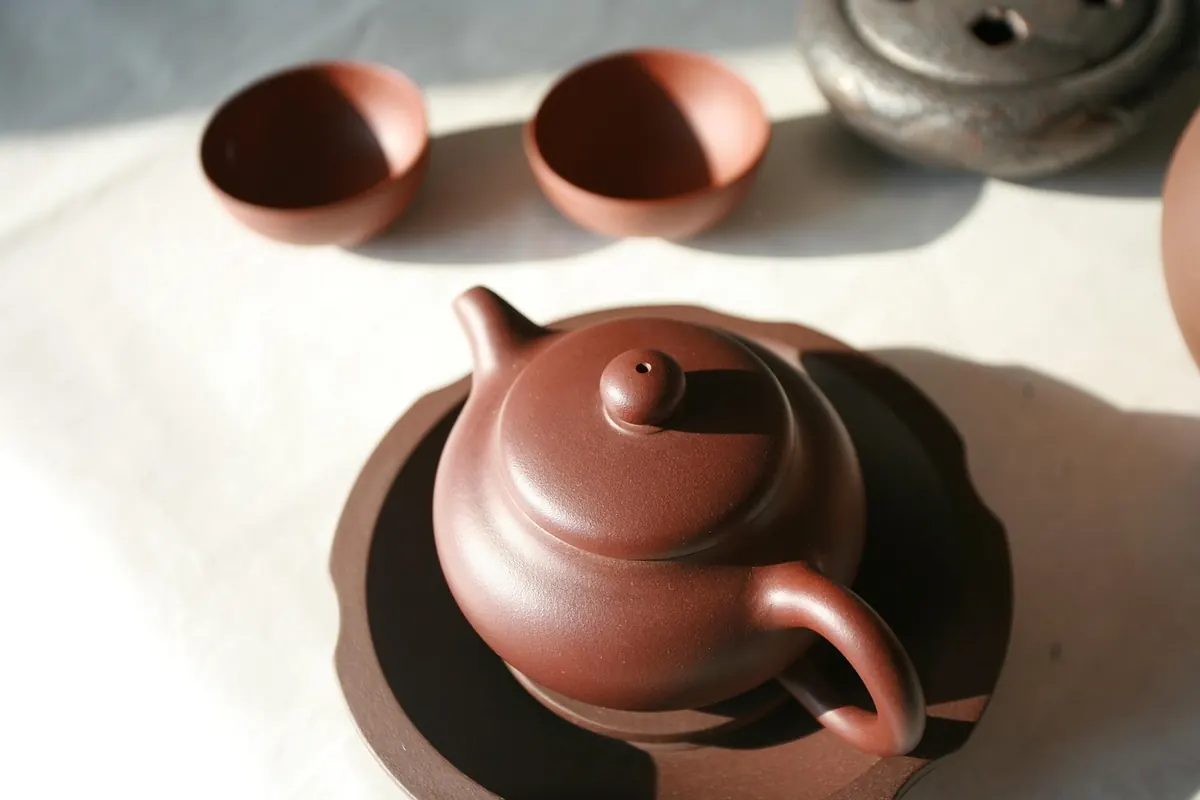
A Yixing teapot is not a vessel you scrub and forget. The clay — zisha, often called purple sand — is unglazed and porous, and every session leaves a little tea behind in the walls. That is the point. Over months of steady use, the pot takes on the aroma of the tea you brew in it and develops a soft, deep sheen that no glaze can imitate. The trade-off is equally simple: what goes into the clay stays there. Soap, detergent, and dishwasher cycles do not just clean a Yixing pot, they ruin it. What follows is how to rinse, season, and keep one properly.
Why These Pots Follow Different Rules
A glazed porcelain teapot is sealed. Rinse it, dry it, and you are done. Yixing clay is not sealed. Its walls absorb both water and the oils that carry aroma, which is why a well-used pot brews noticeably better tea than a new one. It is also why soap is a permanent problem rather than a temporary one. Detergent molecules lodge in the pores, and long after you think the pot is clean, they leach back into your tea.
For the same reason, most drinkers dedicate a pot to one tea family: one for roasted oolong, one for ripe pu'er, one for aged white. Blending everything in a single pot gives you a muddled, vaguely dusty flavour instead of a seasoned one. Patina is the result of use, not of tricks, and it cannot be rushed with shortcuts.
What You Actually Need
The kit is small, and the list of things to keep away from the pot is longer than the list of things to use on it.
- Clean water, heated but not left at a furious rolling boil
- A heatproof bowl or basin wide enough to hold the pot comfortably
- A soft-bristled brush — a dedicated tea brush or a clean, reserved toothbrush
- Two lint-free cloths: one damp, one dry
- A kettle, and a dry, ventilated shelf away from sunlight and dust
Nothing else. No soap, no salt, no vinegar, no bleach, no scouring pads, no steel wool.
First Rinse: Preparing a New Pot
New pots arrive with kiln dust and the occasional bit of clay grit in the strainer holes. Rinse the pot inside and out under warm running water, using the brush gently around the spout and the inside of the lid. Fill it with hot water, let it stand for a minute, then pour it out. Repeat once or twice. That is genuinely enough for most pots.
The optional tea bath
Some drinkers simmer a new pot in a pan of tea before using it. It works, but it carries two real risks: thermal shock, and knocking the pot against the side of the pan. If you try it, place the pot in a clean pan, cover it with cold water, add a generous handful of the tea you intend to brew, and bring it up to a bare simmer slowly. Hold it there for twenty to thirty minutes, turn off the heat, and let the pot cool completely in the water before you move it. Never transfer a hot pot into cold water. Never let a pot sit on a bare burner.
Choose the tea before you season
Decide what the pot is for before it absorbs anything. If you are still deciding, season lightly — plain hot water rinses for the first few weeks — and make the call later. Also worth doing now: check that the lid sits evenly and that the strainer holes are clear.
Seasoning Through Use
The real seasoning happens at the tea table, not in a pot of boiling water. While you brew, pour a little hot water over the outside of the pot. It warms the clay and carries a thin film of tea across the surface. When you finish the session, wipe the outside with a damp cloth while the pot is still warm, then dry it gently with the second cloth.
The wiping matters more than people expect. You are spreading a very thin, even film, not polishing it off. Use light, circular strokes and let the cloth do the work. Over weeks the surface darkens slightly and takes on a low, natural gloss — quieter than a glaze, and much harder to fake.
Let the pot dry with the lid off. A full day of air between sessions is not excessive. Soaking a pot in leftover tea overnight does not speed anything up; it usually leaves a sticky film that collects dust and invites mould.
Care After Every Session
- Empty the leaves promptly. Wet leaves left in overnight sour the pot.
- Rinse with hot water — fill, swirl, pour out — until the water runs clear.
- Wipe the outside while warm with the damp cloth.
- Dry with the second cloth, then air dry with the lid off or resting ajar.
- Store somewhere dry and ventilated, away from spices, coffee, and cleaning products. Clay picks up ambient smells.
- Do not stack other pots or dishes on top of it.
Mistakes That Are Hard to Undo
Soap and dishwashers are the worst of them. If it has already happened, rinse the pot repeatedly with hot water, air it for several days, and start seasoning again from scratch. There is no guaranteed fix; the best you can do is dilute the residue over time.
Others worth avoiding: scrubbing the interior with anything abrasive, which strips the seasoning and can scratch the clay; storing a damp pot with the lid sealed tight, which produces a musty smell; and using one pot for every tea you own. If a pot does go musty, rinse it with hot water and let it dry in a shaded, well-ventilated spot for several days. Do not bake it in an oven.
A Simple Routine Worth Keeping
Hot water, a soft cloth, air, and time. That is the whole method, and it is not fragile. Rinse after every session, wipe while warm, dry with the lid off, and keep one pot per tea. Do that consistently and a plain pot will quietly become the best-brewing piece of teaware you own.
Photo: namoliang / Pixabay