


The Rise of Local Tea Farms: How to Find and Support Regional Growers
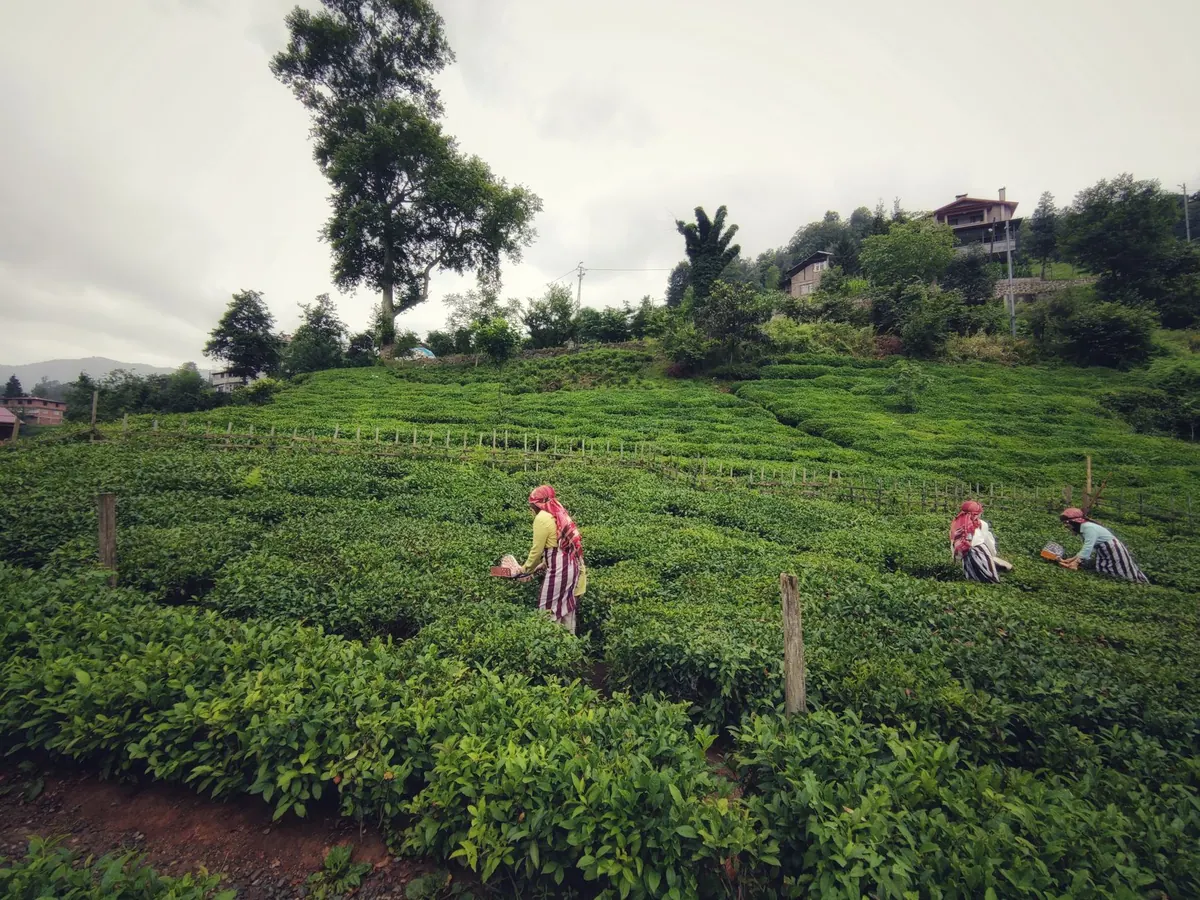
Tea has always been local to somebody. For most of the past century, that somebody was a farmer on the far side of the world, and the leaf reached your kitchen after a long trip through brokers, blenders and shipping containers. That is changing. Small growers now plant Camellia sinensis in places with no tea tradition at all: hillsides in the Pacific Northwest, old farmland across the Southeast, sheltered valleys in Cornwall, volcanic slopes in Hawaii. The result is a small but real supply of tea you can visit, question and taste within a day's drive of picking.
Why Tea Is Showing Up in Unlikely Places
Three things had to line up. First, plant material: growers can now choose from cold-hardy and drought-tolerant selections of the tea plant, and they know how to protect it — windbreaks, shade cloth, siting on ground that drains. Second, equipment: the tools for making tea at small scale, from withering racks to tabletop rolling and drying units, are within reach of a farm with a few acres and a great deal of patience. Third, demand: drinkers have grown curious about origin, and a dated, single-garden tea is a story a small farm can tell well.
There is a farm-economics argument too. A tea field takes a few years to become productive, which sounds like a drawback until you compare it with annual crops that must be replanted every season. For a vegetable grower looking for a long-lived, high-value crop, tea is an interesting bet. And because the plant is a camellia, it sells as an ornamental shrub as well, giving nurseries a second income stream while the leaves mature.
"Local" Can Mean Three Different Things
Before you get excited about a local tea, work out which kind you are holding:
- Grown locally. The leaf came out of the ground within your region.
- Processed locally. Leaf was brought in from elsewhere and withered, rolled, oxidized and dried nearby.
- Blended locally. Leaf and herbs were combined in a nearby facility.
All three can produce excellent tea. Only the first supports a regional tea farm in the way most people imagine, so ask directly. Producers generally enjoy explaining, and the ones doing the harder work will appreciate the question.
How to Find Growers Near You
- Farmers markets and state food festivals. Tea is a specialty crop, so it tends to appear at markets that emphasize small producers rather than commodity stalls.
- Your cooperative extension office or department of agriculture. These agencies keep lists of specialty crop growers, and staff often know who has planted tea recently.
- Regional growers' groups. Tea farmers in a state or province tend to find each other, and their associations publish member lists.
- Camellia and rare-plant societies. Tea is a camellia, so collectors frequently know where it is being grown.
- Nurseries that stock Camellia sinensis. Whoever sells the plant usually knows who is farming it.
- Tea shops that name the garden. A shop listing garden names on the label is a good source of leads. Ask who they buy from and whether any of it is grown nearby.
- Local food guides and Slow Food chapters. They often track small producers before anyone else does.
If you live outside a tea-growing region
You have options. Many growers ship, and a few run subscriptions that send each harvest as it is finished. Road trips are worth planning around: a farm visit in spring or early summer usually includes a walk through the rows and a tasting, and you will learn more in an afternoon than in a month of reading. You can also grow your own in a large container — a sunny, sheltered spot, acidic soil that drains freely, and protection from hard frost. Roughly, the plant is comfortable in warm temperate zones and needs help further north. Manage expectations: a mature container plant gives you a modest handful of leaf per flush, enough for a few pots rather than a year's supply.
Questions Worth Asking Before You Buy
- Where exactly was this leaf grown, and who processed it?
- Which harvest is this — spring, summer or autumn?
- How was it made: steamed, pan-fired, oxidized, roasted?
- Is this a single garden or a blend of sources?
- How should I store it, and how long will it hold its character?
- Do you sell by harvest date, and can I visit?
Those six questions separate a farm from a repackager in about a minute, and the answers tell you what you are actually paying for.
What Local Tea Tastes Like — and What It Doesn't Promise
Freshness is the honest advantage. Aroma fades with time, so a leaf finished weeks ago tastes livelier than one that crossed an ocean and sat in a warehouse. Expect variety rather than consistency: small plots, young bushes and variable weather mean each year differs, sometimes noticeably. Expect to pay more per gram as well, because hand-picking and small-batch processing are labor-intensive.
What local does not promise is that you will like it more. Terroir cuts both ways, and a first-year harvest from a young field can be thin or grassy. Buy a small amount, brew it the way you normally brew, and judge the cup rather than the story. Local is a reason to try something, not a reason to keep buying it.
Ways to Support Growers Beyond the Checkout Line
Tea farms run on cash flow that arrives in bursts. Buying in the off-season, pre-ordering a spring harvest, or holding a subscription through winter helps more than a single summer purchase. Volunteer for a picking day if they welcome it — you will learn the labor behind the price. Mention the farm to cafés and shops that might stock it, and leave honest tasting notes rather than generic praise, which is far more useful to a grower refining their processing. Finally, be patient. Bushes take a few years to come into their own, and so do the people learning to make tea from them.
How to Start This Month
- Spend twenty minutes searching for one grower within a day's drive, using extension lists, markets or a nursery that sells tea plants.
- Order two small samples in different styles — a green and a black, or a green and an oolong — from the same farm.
- Write the harvest date on each bag and taste them side by side, plain, in the same pot.
- Ask the grower when the next harvest lands and set a reminder for that month.
- If you enjoy the tea, buy a larger quantity at the next harvest instead of waiting for a sale.
Regional tea is still a young industry in most places, which means the drinker's role matters. Curiosity, a few direct questions and a repeat purchase do more for a local grower than any amount of enthusiasm expressed online.
Photo: Ali Düzdemir / Pexels