

Seasonal Tea Recipe: Spiced Pear and Black Tea Cider for Autumn Evenings
There is a particular kind of evening in late October when the air turns sharp before the sun is even down, and the only sensible answer is a mug of something hot and faintly sweet. Mulled cider is the usual response. This recipe takes a different path: pear juice instead of apple, black tea for backbone, and whole spices steeped gently rather than boiled into submission. It lands somewhere between a pear tart and a proper cup of tea, and it takes about half an hour, most of which you spend doing something else.
Why Pear and Black Tea Belong Together
Pear juice is rounder and more floral than apple cider, with a soft texture when it is unfiltered. On its own, though, mulled pear juice can taste thin and one-dimensionally sweet. Black tea solves both problems at once. Its tannins give the drink a dry finish that keeps it from tasting like hot candy, and a good Assam adds a malty depth that stands up to cinnamon and clove.
The proportions matter more than the brand. Roughly three tea bags for six cups of liquid is the sweet spot: enough to taste the tea, not so much that it turns the drink bitter. Steep the tea after the spices, not alongside them, and the whole thing stays bright.
What You'll Need
This makes about six cups, or four generous mugs.
- 4 cups unsweetened pear juice, preferably cloudy rather than from concentrate
- 2 cups water
- 3 black tea bags, or 3 teaspoons loose-leaf black tea
- 1 cinnamon stick, about 3 inches long
- 3 whole cloves
- 2 allspice berries
- 1 star anise pod
- 1 strip orange peel, about 2 inches, white pith scraped away
- 1-inch piece fresh ginger, sliced thin (optional, but it adds a nice bite)
- 1 to 2 tablespoons honey or maple syrup, to taste
- Thin pear slices and extra cinnamon sticks, for serving
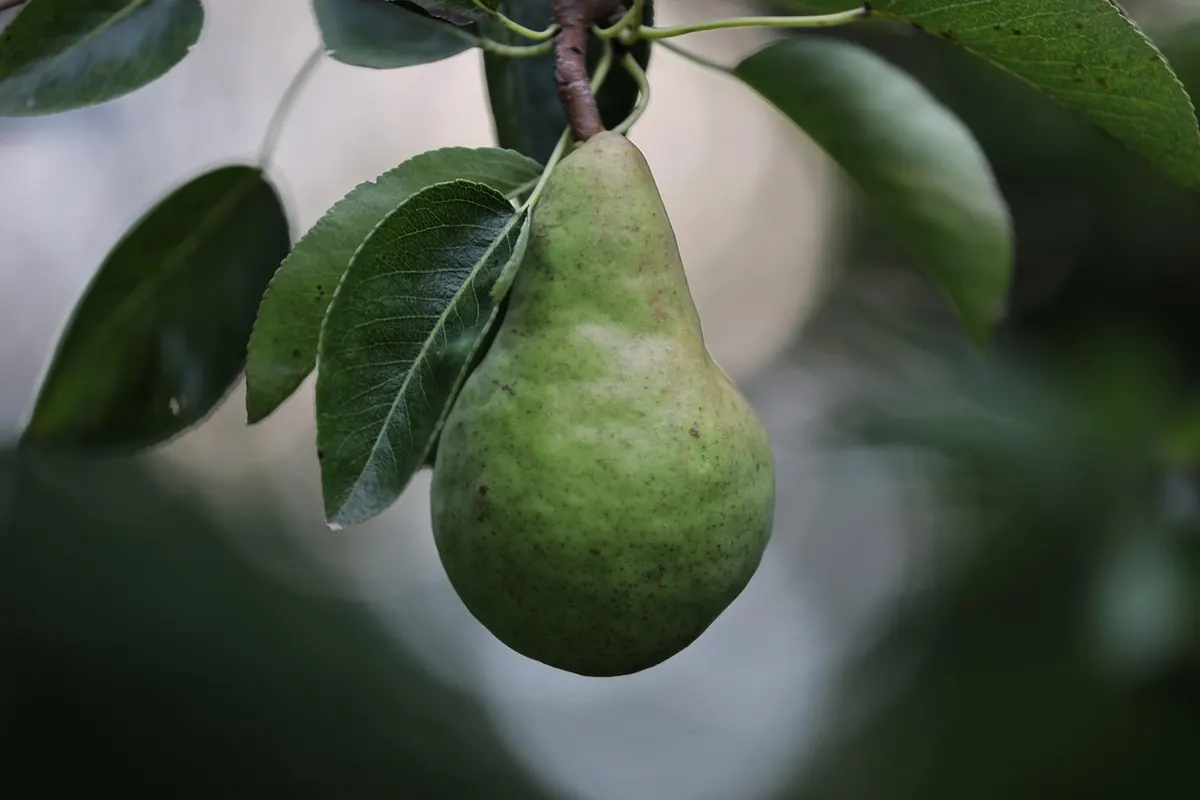
If you would rather start from whole fruit, simmer three ripe pears, chopped and unpeeled, in the 2 cups of water for 20 minutes. Mash them roughly, strain through a fine-mesh sieve, and use that liquid in place of the water. You will get a softer, less sweet drink. Very ripe Bartlett or Comice pears work best; underripe ones stay stubbornly bland no matter how long they simmer.
Choosing the Tea and the Juice
On the tea
Assam gives you malt and body. Ceylon is brighter, with a citrus edge that plays well against orange peel. An English Breakfast blend sits comfortably between the two, which is why it is the easiest choice if you keep only one black tea in the house. Skip flavored blends, and skip delicate first-flush Darjeelings here. Their aromatics disappear under clove and star anise, and you have paid too much for them to vanish.
Loose leaf in a large mesh infuser gives the cleanest flavor, but bags are perfectly fine. If you use bags, do not squeeze them against the side of the pot when you pull them out. That presses out the harshest tannins and leaves a rough, drying finish.
On the juice
Look for pear juice labeled unsweetened, and shake the bottle before measuring if it has been sitting a while. Sweetened juice will push the finished drink toward syrup once it reduces slightly. If all you can find is a sweetened version, cut the honey entirely and taste before adding any.
The Method
- Combine the pear juice, water, cinnamon stick, cloves, allspice, star anise, orange peel, and ginger in a heavy saucepan.
- Set it over medium-low heat and bring it to a bare simmer. You want small bubbles around the edge, not a rolling boil. Boiling drives off the aromatic oils you are trying to capture.
- Simmer gently, uncovered, for 15 to 20 minutes. The liquid should reduce by about a cup.
- Pull the pan off the heat and add the tea. Cover it and let it steep for 4 to 5 minutes. Taste at 4 minutes; if it needs more grip, give it another minute.
- Strain through a fine-mesh sieve into a second pot or a heatproof pitcher. Discard the spices.
- Stir in honey or maple syrup a teaspoon at a time, tasting as you go. Sweetness fades as the drink cools, so stop just short of where you think it should be.
Spices, Sweeteners, and Variations
Whole spices are the point here. Ground cinnamon or clove will cloud the drink and turn slightly bitter after 20 minutes of simmering, and it settles into a gritty layer at the bottom of the mug. If whole spices are not in the cupboard, use a tea bag of chai blend instead and reduce the black tea to two bags.
Clove is the one to watch. Three is plenty for this volume; a fourth will dominate everything else. If you are unsure, start with two and add one during the last five minutes of the simmer.
A few directions worth trying:
- Caffeine-free: swap the black tea for rooibos and steep for 6 minutes. The body holds up surprisingly well.
- Apple-pear: replace half the pear juice with unfiltered apple cider.
- Spiked: add a splash of bourbon or dark rum to adult mugs after straining. Skip it entirely if children are drinking.
- Cardamom: crack two green cardamom pods and add them with the other spices for a floral, almost perfumed note.
- Vanilla: stir in a quarter teaspoon of vanilla extract off the heat, right before serving.
One practical note on sweetening: honey should not be given to babies under one year old, so use maple syrup if you are serving very young children.
Serving and Storing
Warm the mugs first with hot tap water and dump it out. A cold mug steals heat fast, and this drink tastes best close to steaming. Float a thin pear slice on top and drop in a fresh cinnamon stick for anyone who wants to stir.
The strained cider keeps in the refrigerator for three to four days in a covered jar. Reheat it gently on the stove over low heat rather than bringing it to a boil again, which will flatten the spice notes. If you want to keep it longer, freeze it in ice cube trays and drop a few cubes into a mug of hot tea later in the week.
A Final Word on Heat and Timing
If you remember one thing, make it this: the tea goes in after the pot comes off the heat. Black tea that boils turns astringent within a minute or two, and no amount of honey fixes that. The same goes for reheating. Gentle heat, short steeps, and a taste at every stage will get you a drink that tastes like autumn rather than like a scented candle. Make the first batch as written, then adjust the clove, the ginger, and the sweetness to suit your own kitchen.
Photo: GoranH / Pixabay